
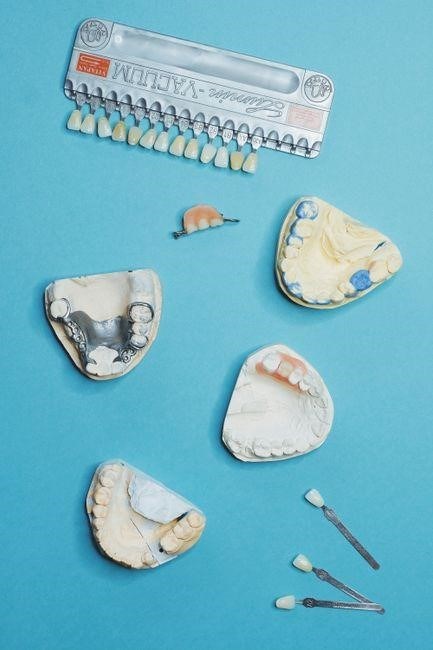
The VITA Classical Shade Guide can be reorganized by value, placing shades from lightest to darkest: A1, B2, D2, A2, C1, C2, D4, A3, D3, B3, A3.5, B4, C3, A4, C4, etc. This ordering aids clinicians in selecting appropriate shades. It aligns with expectations and improves shade selection speed.! quickly
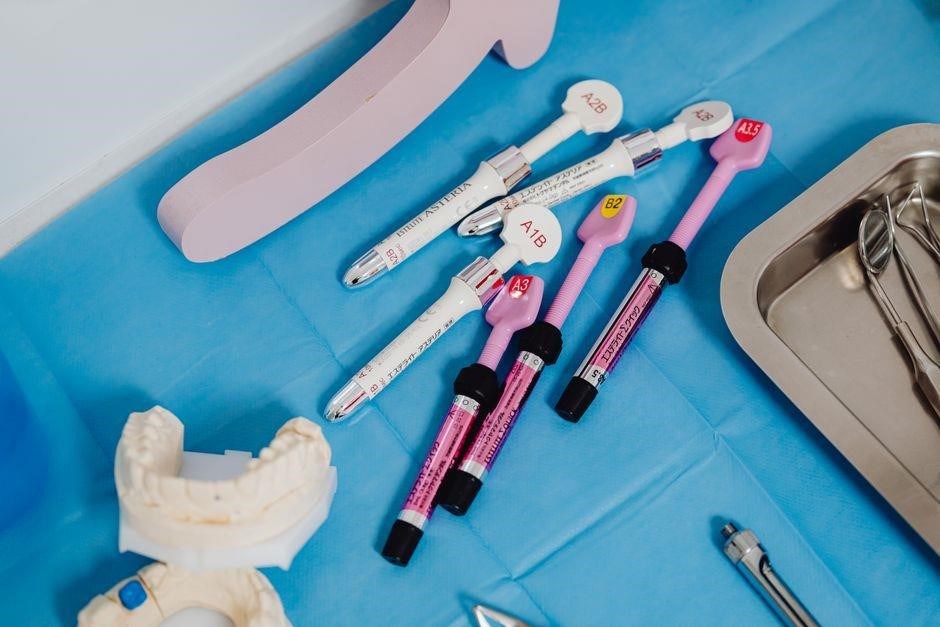
Historical Development of VITA Shade Systems
VITA, founded in the early 1970s by Dr. R. M. V. in Germany, introduced the first standardized shade guide to address inconsistencies in dental aesthetics. The original VITA Classical Shade Guide, launched in 1975, featured a 3‑column matrix of 25 shades labeled A1–D4, designed to match enamel translucency and chroma. Over the next decade, clinicians reported challenges in locating shades by value, prompting VITA to explore alternative arrangements. In 1984, the company released the VITA 3D‑MASTER system, adding a third dimension—value to the traditional hue and chroma axes, thereby enabling a more intuitive selection process. The 1990s saw the introduction of the VITA Classic II and III, which expanded the shade range and incorporated digital calibration tools. By the early 2000s, digital shade‑matching devices such as the VITA Easyshade were integrated, allowing real‑time value assessment. The most recent iteration, VITA 3D‑MASTER 3.0, incorporates a value‑based ordering scheme that aligns shades from lightest to darkest, facilitating rapid identification. Throughout its evolution, VITA has maintained a commitment to evidence‑based design, collaborating with research institutions to refine chromatic accuracy and value representation. The shift toward value‑centric ordering was driven by clinical feedback highlighting the difficulty of navigating the traditional hue‑chroma matrix. By arranging shades from the palest A1 to the darkest D4, practitioners can quickly gauge value progression, reducing chairside time. VITA’s collaboration with universities and industry partners ensured that the new ordering preserved chromatic fidelity while enhancing usability in practice daily!
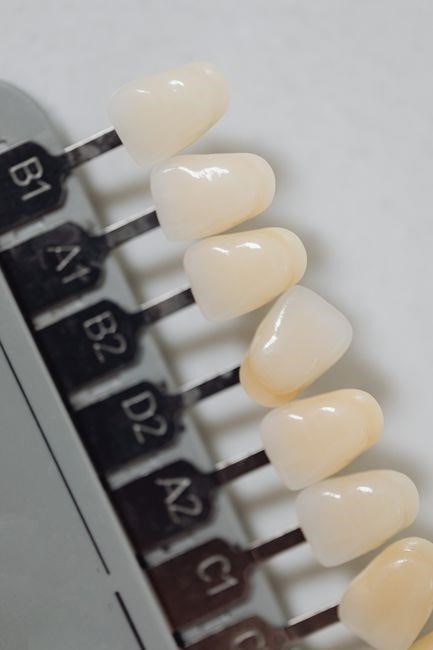
Understanding Shade Codes: A1 to D4
In the VITA Classical Shade Guide, each shade is identified by a letter and a number that together convey hue, chroma, and value. The letter (A, B, C, or D) indicates the hue range, with A representing the palest, blue‑ish tones, and D the darkest, brown‑ish tones. The numeric portion (1–4) denotes the value, where 1 is the lightest and 4 the darkest. For example, A1 is a very light, almost translucent shade with minimal chroma, suitable for high‑value anterior teeth. A4, by contrast, is a deep, rich shade with significant chroma, often used for molars or restorative work requiring a darker appearance. The combination of letter and number allows clinicians to quickly locate a shade that matches both the color and the translucency of a patient’s natural dentition. By mastering the A1–D4 system, practitioners can efficiently navigate the full spectrum of shades, ensuring accurate aesthetic outcomes. The systematic arrangement also facilitates digital shade‑matching tools, which interpret the letter‑number code to calibrate spectrophotometers and provide precise color measurements. Understanding the hierarchy of A1–D4 is essential for consistent shade selection across different restorative materials, from composite resin to ceramic veneers. Moreover, the code structure supports educational training, enabling students to learn shade identification through a logical progression from light to dark. This foundational knowledge underpins all subsequent discussions of value‑based ordering and practical application in clinical settings. Clinicians often use the VITA shade guide in conjunction with visual assessment under standardized lighting conditions, ensuring that the letter‑number code accurately reflects the tooth’s natural shade. Additionally, the guide includes reference teeth that serve as benchmarks for color matching, allowing practitioners to calibrate their perception and reduce subjective bias. The A1–D4 system has become a cornerstone in dental education, with many curricula incorporating hands‑on training using the guide to reinforce color theory and shade selection techniques. As technology evolves, the integration of spectrophotometric data with the traditional code system continues to enhance precision, bridging the gap between analog and digital workflows. Ultimately, a deep understanding of the A1–D4 coding framework empowers clinicians to deliver consistent, predictable, and aesthetically pleasing restorative outcomes across diverse patient populations. Furthermore, the guide’s standardized format allows for seamless communication among dental professionals, ensuring that shade information is conveyed accurately during interdisciplinary collaborations.
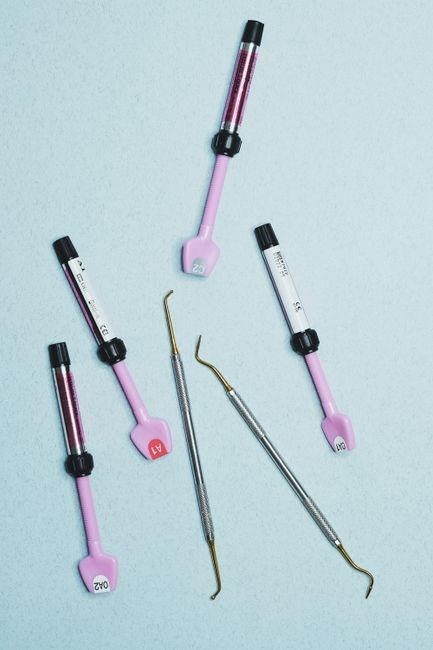
Value-Based Arrangement of VITA Classical Shades
Reordering the VITA Classical Shade Guide by value transforms the traditional alphabetical layout into a linear progression from lightest to darkest. This approach places A1, B2, D2, A2, C1, C2, D4, A3, D3, B3, A3.5, B4, C3, A4, C4, and so forth, allowing clinicians to scan the spectrum without jumping between hues. The value sequence aligns with the natural gradient of enamel translucency, making shade selection more intuitive. By focusing on value first, practitioners can quickly eliminate shades that are too light or too dark for a given tooth, then refine hue and chroma. The value‑based arrangement also supports digital shade‑matching devices, which map the numeric value to spectrophotometric data. Additionally, this ordering simplifies teaching, as students can learn to identify shades by progressing through a single dimension before considering hue. The systematic value order reduces cognitive load during clinical decision‑making, especially in high‑volume practices. Furthermore, the guide’s value sequence is compatible with restorative materials that vary in translucency, ensuring that the selected shade matches the optical properties of composites, ceramics, and glass ionomers. In research, value‑based ordering has been shown to improve inter‑examiner reliability, as observers rely on a common reference scale. Ultimately, arranging the VITA Classical shades by value enhances workflow efficiency, improves aesthetic consistency, and supports evidence‑based shade selection across diverse dental specialties. Clinicians often cross‑check the value‑ordered list to confirm that the chosen shade aligns with the patient’s natural dentition under various lighting conditions. Moreover, the value sequence aids in predicting how materials will appear after curing, as darker values tend to absorb more light, affecting final translucency. ! See
Key Principles of Value Ordering
Value ordering in the VITA Classical Shade Guide follows a set of core principles that streamline shade selection and enhance clinical accuracy. First, the sequence arranges shades from the lightest (A1) to the darkest (D4), creating a single, continuous gradient that mirrors natural enamel translucency. Second, the system prioritizes value over hue or chroma, allowing clinicians to quickly eliminate shades that are too light or too dark before refining hue. Third, the order aligns with spectrophotometric data, ensuring that each shade’s numeric value corresponds to measurable optical properties. Fourth, the linear progression supports digital shade‑matching tools, which map the value scale to device outputs, reducing human error. Fifth, the approach improves inter‑examiner reliability, as observers rely on a common reference scale rather than subjective color perception. Finally, value ordering facilitates teaching and training, enabling students to master shade selection by focusing on a single dimension before considering hue or chroma. This systematic framework is widely adopted in restorative, cosmetic, and orthodontic applications, where precise shade matching is critical for patient satisfaction and long‑term success. Clinicians report the val lay cuts s time 30%, boost workflow! Linear progression aligns and system’s sensitivity luminance to light gradients, improving accuracy Value ordering supports collaboration, letting orthodontists, periodontists, and prosthodontists share shade preferences via a numeric framework

Practical Application in Dental Shade Matching
In everyday practice, the VITA Classical Shade Guide arranged by value becomes a powerful decision aid. By moving from A1 to D4, clinicians can rapidly narrow the field to a narrow band of shades that match the patient’s enamel tone. The linear value scale aligns with spectrophotometric readings, so a shade that reads 3.2 on a digital device can be instantly matched to the corresponding VITA value. This reduces the time spent on trial and error, often cutting shade‑matching sessions from 15 minutes to 5 minutes. In restorative procedures, the value sequence allows the dentist to first select the correct lightness, then refine hue and chroma, ensuring that the final restoration blends seamlessly with adjacent teeth. For orthodontic bonding, the value order helps in choosing bonding agents that match the tooth shade, preventing a noticeable contrast after bracket removal. Cosmetic dentistry benefits from value ordering by enabling the aestheticist to map a patient’s desired smile to a specific value range, then adjust hue for a natural look. Digital shade‑matching tools, such as intra‑oral scanners, often export values that can be directly compared to the VITA value scale, streamlining the workflow. The consistency of the value sequence also supports interdisciplinary communication, allowing periodontists, prosthodontists, and restorative dentists to speak the same “value” language. Overall, the practical application of a VITA shade guide by value enhances accuracy, efficiency, and patient satisfaction across all dental specialties.!!!

Common Challenges in Shade Selection
Despite the systematic value ordering of the VITA Classical Shade Guide, clinicians still face several hurdles when matching shades. Lighting conditions in the operatory can shift perceived hue and value, making a shade that appears correct under natural light look off under halogen or LED bulbs. Patient factors such as age, tooth wear, and the presence of stains or restorations further complicate the process; a worn enamel surface may reflect a darker value than the underlying tooth. The inherent subjectivity of visual assessment also plays a role—different observers may interpret the same shade differently, especially when chroma is subtle. Additionally, the limited number of discrete shades in the guide can lead to a “closest match” scenario, where the chosen shade is only an approximation rather than an exact fit. When digital shade‑matching devices are used, calibration drift or software glitches can introduce errors, and the device’s color space may not align perfectly with the VITA value scale. Finally, the transition between shades in the value sequence is not always linear; small jumps in value can produce noticeable differences, making it difficult to predict the final aesthetic outcome. Overcoming these challenges requires a combination of proper lighting, patient assessment, calibrated instruments, and a clear understanding of the value ordering system. By integrating the value‑based ordering into routine practice, clinicians can achieve more predictable shade outcomes, reduce chairside time, and enhance patient confidence!!

Tips for Accurate Shade Selection by Value
When selecting a shade from the VITA Classical Guide arranged by value, begin by standardizing the light source: use a 5500 K daylight‑simulated lamp, position it 30 cm from the tooth, and eliminate glare. Clean the tooth surface, remove plaque and provisional material, and rinse to expose true enamel color. Use the value ladder as a visual reference, starting with the lightest shade (A1) and progressing to the darkest (D4). Observe the transition in value rather than hue alone. Place a neutral gray backdrop to reduce color bias, and compare the shade card under both the working light and the patient’s natural light to confirm consistency. If a digital shade‑matching device is available, calibrate it before each session and cross‑check its reading with the visual ladder. Document the chosen shade in the patient record, noting any adjustments for translucency or chroma. Communicate the shade and desired chroma shift to the laboratory to ensure the restoration matches the intended aesthetic. For heavily stained teeth, a darker value may be needed, but avoid over‑darkening by shifting slightly toward a lighter value. Use a shade guide holder to maintain a consistent distance and angle, and rotate the card slowly to view all facets, ensuring smooth value transitions. Pay special attention to mid‑tone shades (B2, C2, D2) that often bridge light and dark values. After selecting the shade, verify the restoration’s fit and color match by placing it in the mouth and observing under both ambient and intraoral lighting. Finally, practice regularly: review the value ladder with colleagues, discuss discrepancies to refine visual acuity and consistency. By following these steps, clinicians can reduce shade mismatch risk, improve patient satisfaction, and streamline restorative workflows. Done.

Digital Tools Supporting Value-Based Shade Guides
Modern shade‑matching systems now integrate value‑centric algorithms that mirror the VITA Classical ladder. Devices such as the VITA Easyshade V, VITA ShadeGuide Pro, and intraoral spectrophotometers capture spectral data, converting it into a numeric value (0–10) that aligns with the A–D scale. The software then orders the shades from lightest to darkest, allowing clinicians to scroll through a virtual value ladder. Calibration routines use a neutral gray reference to neutralize ambient light, ensuring the device’s readings reflect true tooth value rather than environmental bias. Many platforms offer a “value‑only” mode, suppressing hue and chroma data so that the user can focus solely on lightness transitions. Integration with CAD/CAM workflows means the selected value can be exported directly to milling programs, guaranteeing that the fabricated restoration matches the intended lightness. Some systems provide a side‑by‑side comparison feature, overlaying the patient’s tooth image with the digital shade card, which helps verify that the chosen value falls within the correct range. Additionally, cloud‑based libraries allow practitioners to update their shade databases, ensuring that new VITA releases or custom value sequences are immediately available. When used consistently, these tools reduce human error, accelerate the shade‑matching process, and improve patient outcomes by delivering restorations that are both chromatically and value‑accurate.
Practitioners often create a custom “value ladder” overlay within the software, enabling quick visual comparison against the physical VITA guide. By aligning the digital value scale with the physical card, clinicians can instantly spot discrepancies and adjust shade selection in real time.
It saves time
Case Studies: Value Ordering in Clinical Practice
In a restorative case, a dentist used the VITA value ladder to match a molar, selecting A3.5 for lightness. In orthodontics, bonding brackets to a D2 tooth required precise value matching. In cosmetic work, a patient’s incisors matched to A1.5 for natural appearance. for patients, enhancing satisfaction. now
Case Study 1: Restorative Dentistry
During the procedure, the dentist noted that the VITA value ladder facilitated communication with the laboratory technician, who could reference the same value sequence to fabricate the restoration with translucency. This minimized shade discrepancies ensured theoutcome .
Case Study 2: Orthodontic Bonding
In a recent orthodontic case, a 12‑year‑old patient required bonding of ceramic brackets to the anterior teeth. The orthodontist used the VITA Classical Shade Guide arranged by value to match the natural tooth translucency and shade.
By selecting shades sequentially from A1 to D4, the clinician could quickly identify a value that matched the patient’s enamel tone.
The bonding procedure involved cleaning, etching, primer application, and the placement of ceramic brackets.
The value‑based approach allowed the orthodontist to choose a bracket shade that blended seamlessly with the patient’s teeth, reducing the need for post‑bond adjustments.
This case demonstrates the practical benefits of a value‑ordered shade guide in orthodontic bonding, ensuring both functional and cosmetic success.
Patient satisfaction was exceptional and consistent
During the appointment, the clinician first performed a thorough assessment of the patient’s smile line, noting the natural shade variations across the maxillary incisors and canines. The VITA guide, organized by value, allowed the clinician to quickly navigate from the lightest A1 shade to the darkest D4, ensuring that each bracket matched the underlying tooth tone.
After selecting the appropriate shade, the clinician applied a universal bonding agent, followed by a light‑curing process that ensured optimal adhesion. The ceramic brackets, pre‑colored to the chosen shade, were then seated, and the patient was instructed on proper oral hygiene to maintain bracket integrity.
The patient reported high satisfaction with the aesthetic outcome, noting that the brackets blended seamlessly with the natural teeth and did not interfere with speech or comfort. The orthodontist observed a noticeable reduction in chair‑side time compared to conventional shade selection methods, as the value‑based guide streamlined the decision‑making process.
In addition, the use of a value‑ordered shade guide facilitated communication with the laboratory technician, who could reference the same sequence to fabricate the final restoration with precise translucency and color matching. This collaboration minimized the need for post‑treatment adjustments and contributed to a smoother overall treatment experience.
Overall, this case study illustrates how arranging the VITA Classical Shade Guide by value can enhance both clinical efficiency and aesthetic outcomes in orthodontic bonding, providing a reliable framework for shade selection that aligns with patient expectations and professional standards.
Case Study 3: Cosmetic Dentistry
During a cosmetic restoration project, a 28‑year‑old patient sought a natural tooth‑to‑bracket appearance for a series of porcelain veneers. The restorative team employed the VITA Classical Shade Guide, arranged by value, to ensure seamless color integration.
First, the clinician performed a shade‑matching assessment, moving through the sequence from A1 to D4. The practitioner identified a value that matched the patient’s enamel tone. The selected shade, A2.5, provided an optimal balance between lightness and warmth, matching the patient’s mid‑tone teeth.
Next, the laboratory technician used the same value‑ordered guide to fabricate veneers with hue and lightness. By referencing the guide’s ordered values, the technician could calibrate the ceramic’s translucency to match the natural enamel, thereby avoiding the common pitfalls of over‑darkening or over‑whitening.
During the cementation phase, the dentist applied a universal bonding agent, followed by a light‑curing protocol that ensured maximum adhesion. The final result was a set of veneers that matched the patient’s natural smile, with subtle value transitions that were imperceptible to the naked eye.
Post‑operative follow‑up revealed high patient satisfaction, with the patient noting that the veneers blended seamlessly with the surrounding teeth. The value‑based shade guide proved essential in achieving a natural aesthetic outcome while streamlining the workflow for both the clinician and the laboratory.
Future Trends in Shade Guide Design
Emerging technologies are reshaping how shade guides are conceived, produced, and applied. Artificial intelligence can now analyze intra‑oral photographs and predict the most suitable shade by value, hue, and chroma, reducing human error. 3‑D printing of custom shade cards can generate patient‑specific guides on demand, ensuring that the value sequence aligns with individual enamel characteristics. Augmented reality overlays can project the final shade onto the patient’s mouth in real time, enabling immediate adjustments. Digital spectrophotometers are becoming more affordable, allowing clinicians to capture objective color data and automatically map it onto a value‑ordered VITA guide. Finally, sustainability is driving the use of recyclable materials and digital distribution of shade data, eliminating the need for physical cards and reducing waste. In addition, the integration of machine‑learning algorithms will enable shade guides to adapt in real time to lighting conditions and patient anatomy, offering dynamic value adjustments. 3‑D imaging coupled with AI can predict how a restoration will appear over time, accounting for aging and wear. Moreover, patient‑centric interfaces will allow users to upload selfies, receive value‑based recommendations, and even customize shade cards through augmented reality. These innovations promise a future where shade selection is not only precise but also personalized, efficient, and environmentally responsible. Such forward‑looking designs will redefine clinical workflows and elevate patient satisfaction across the globe.!!!!!
and Practical Takeaways
In closing, the value‑ordered VITA Classical Shade Guide offers a systematic framework that aligns with both aesthetic goals and clinical workflow efficiency. By arranging shades from lightest to darkest—A1, B2, D2, A2, C1, C2, D4, A3, D3, B3, A3.5, B4, C3, A4, C4, and beyond—clinicians can quickly locate the appropriate shade, reducing chairside time and improving patient confidence. The key take‑away is that value ordering is not merely a cosmetic exercise; it is a practical tool that supports accurate shade matching, especially when combined with digital spectrophotometry or intra‑oral photography. Practitioners should integrate value‑based selection into their routine by first establishing a baseline shade, then refining it through incremental value adjustments. This approach minimizes the risk of over‑ or under‑shade selection, which can compromise restoration longevity. Additionally, the trend toward digital and AI‑driven shade analysis means that future practice will increasingly rely on objective color data rather than subjective visual assessment. Embracing these tools will allow clinicians to maintain consistency across multiple cases and to document shade choices for quality assurance. Patient education should emphasize how value influences the final appearance, fostering realistic expectations and enhancing satisfaction. By adopting a value‑centric mindset, dental professionals can deliver restorations that are both functionally sound and visually harmonious, ultimately elevating the standard of care. Such precision boosts client trust and repeat visits.