Sweeney Todd sheet music PDF offers performers a gateway to the haunting score, enabling precise interpretation of iconic themes. By accessing high‑quality PDFs, musicians can study orchestration, vocal lines, and dramatic pacing, ensuring authentic renditions of this classic musical. Enjoy it!
Background of the Musical
Set in Victorian London, the story follows the barber‑butcher Sweeney Todd, whose revenge plot intertwines with the grim culinary world of Mrs. Lovett’s pie shop. The narrative, adapted from a 19th‑century penny dreadful, explores themes of obsession, justice, and the macabre. Stephen Sondheim’s score, composed in 1979, blends traditional operatic motifs with contemporary musical theatre rhythms, creating a soundscape that is both unsettling and memorable. The libretto, written by Sondheim himself, features sharp, witty dialogue that contrasts sharply with the dark, often grotesque, musical numbers. The production’s staging relies heavily on atmospheric lighting and set design to evoke the claustrophobic feel of the underground tunnel, where much of the action takes place. Over the years, the musical has seen numerous revivals, each bringing fresh interpretations while preserving the core narrative. Its enduring popularity stems from its complex characters, haunting melodies, and the way it challenges audiences to confront the darker aspects of human nature. The musical’s influence extends beyond theatre, inspiring film adaptations, operatic renditions, and scholarly analysis of its musical structure and thematic depth.
The musical’s legacy is evident in its inclusion in academic curricula, where students dissect its harmonic progressions and lyrical devices. Its score has been transcribed for various ensembles, from full orchestras to chamber groups, allowing diverse performance settings. Thematically, the piece examines the consequences of unchecked ambition, the erosion of moral boundaries, and the societal pressures that drive individuals toward extreme actions. Audiences worldwide continue to be drawn to its blend of theatrical spectacle and profound psychological insight, ensuring its place as a staple in contemporary musical theatre repertoires— etc.!!
For performers, the Sweeney Todd sheet music PDF offers a gateway to the haunting score, enabling precise interpretation of iconic themes. By accessing high‑quality PDFs, musicians can study orchestration, vocal lines, and dramatic pacing, ensuring authentic renditions of this classic musical.

Finding Sweeney Todd Sheet Music PDFs Online
Discover reliable sources for Sweeney Todd sheet music PDFs by exploring reputable libraries, publishers and licensed digital platforms. Verify authenticity, respect copyright, and choose formats that match your rehearsal or performance needs.
Legal Sources and Copyright Considerations
When searching for Sweeney Todd sheet music PDFs, it is essential to prioritize legal and reputable channels. The musical, composed by Stephen Sondheim, remains under copyright protection in most jurisdictions, meaning that unauthorized copies can lead to legal penalties. The first step is to consult the official publisher, which for Sweeney Todd is typically the original Broadway production house or its licensed music distributor. These entities offer authorized PDF downloads or printed scores through subscription services or direct purchase, ensuring that the quality of the material is preserved. Another reliable avenue is the Music Publishers’ Association, which maintains a database of licensed scores and often provides digital access for registered users. Many libraries, both public and academic, have digitized collections that are available for on‑site use or through interlibrary loan; these copies are typically provided under fair‑use agreements and are safe for rehearsal purposes. For musicians who need to share the material with a broader ensemble, it is advisable to obtain a performance license from the rights holder. This license covers the public performance of the score and often includes a digital usage clause, allowing the PDF to be used in rehearsals, recordings, or streamed performances. If you are planning a commercial recording or a public performance, you must secure a license that covers those activities. Finally, be wary of free download sites that offer PDFs without proper attribution or licensing; these are almost always infringing copies for safety
Popular Online Libraries and Marketplaces
Musicians looking for Sweeney Todd sheet music PDFs can rely on several reputable digital outlets. Musicnotes offers the full score and individual parts in high‑resolution PDF format, complete with playback. Sheet Music Plus sells both standard and annotated editions, often bundling rehearsal tracks. Hal Leonard hosts a dedicated Broadway section, ensuring up‑to‑date editorial revisions. For a subscription model, Sheet Music Direct provides a vast catalog, with a “Premium” tier that allows unlimited downloads for a flat fee. Libraries such as the New York Public Library Digital Collections and the University of Michigan Digital Library host digitized manuscripts and early editions, available for on‑site viewing or PDF download under library licenses. Amazon Kindle Store and Google Play Books occasionally list digital bundles that include Sweeney Todd, but users should confirm publisher credentials before purchase. The Renaissance Recordings site offers curated sheet music for educational use, often paired with audio tracks. Additionally, the IMSLP database hosts user‑submitted arrangements under Creative Commons, useful for teaching. The ScoreExchange platform lets composers upload adaptations, creating a community resource for alternative orchestrations. Academic researchers can use the ProQuest Music Database for scholarly articles linked to downloadable PDFs. Enjoy!
Types of Sheet Music Available
Full scores, individual parts, and annotated PDFs each serve distinct needs. Scores provide orchestral detail, parts isolate performers, while annotations guide interpretation. Choose based on rehearsal, performance, or study goals. All options licensed.
Full Scores vs. Individual Parts
Full scores present the orchestration, conductors to see entry, dynamics, and context. They are indispensable for rehearsal planning, score study, and spotting orchestral balance. Individual parts isolate a single voice or instrument, facilitating focused practice and performance. Musicians prefer parts for daily rehearsal, while conductors rely on full scores for overall vision; Parts often omit rehearsal marks and may lack detailed dynamics, whereas full scores include all markings, cues, and tempo changes. When preparing a production, a balanced library of both is essential: conductors for macro‑control, performers for micro‑precision; Additionally, full scores aid in spotting thematic cross‑referencing, while parts help in mastering technical passages. The choice between the two depends on the rehearsal stage, ensemble size, and available resources. A well‑organized collection ensures smooth workflow and artistic cohesion. In practice, many libraries provide both PDF formats, and some performers download only the parts to reduce clutter. However, for complex works like Sweeney Todd, having the full score is crucial for understanding the interplay between vocal lines and orchestral textures. The PDF format preserves original notation, including slurs, articulations, and rehearsal numbers, which are vital for accurate performance. Conversely, parts may be simplified to aid sight‑reading but can omit subtle cues that affect ensemble cohesion. These PDFs empower musicians to capture musical drama OK

Annotated vs. Unannotated PDFs
Annotated PDFs enrich the Sweeney Todd score by embedding editorial notes, performance hints, and contextual commentary directly into the sheet. Annotated PDFs enrich the Sweeney Todd score by embedding editorial notes, performance hints, and contextual commentary directly into the sheet. Annotated PDFs enrich the Sweeney Todd score by embedding editorial notes, performance hints, and contextual commentary directly into the sheet. Annotated PDFs enrich the Sweeney Todd score by embedding editorial notes, performance hints, and contextual commentary directly into the sheet. Annotated PDFs enrich the Sweeney Todd score by embedding editorial notes, performance hints, and contextual commentary directly into the sheet. Annotated PDFs enrich the Sweeney Todd score by embedding editorial notes, performance hints, and contextual commentary directly into the sheet. Annotated PDFs enrich the Sweeney Todd score by embedding editorial notes, performance hints, and contextual commentary directly into the sheet. Annotated PDFs enrich the Sweeney Todd score by embedding editorial notes, performance hints, and contextual commentary directly into the sheet. Annotated PDFs enrich the Sweeney Todd score by embedding editorial notes, performance hints, and contextual commentary directly into the sheet. Annotated PDFs enrich the Sweeney Todd score by embedding editorial notes, performance hints, and contextual commentary directly into the sheet. This approach aids rehearsal today.!
Downloading and Managing PDF Files
Downloading Sweeney Todd sheet music PDFs requires secure sources and proper organization. Use trusted sites, verify file integrity, and store copies in clearly labeled folders. Keep backups and maintain a catalog for quick retrieval during rehearsals and performances. Keep files organized safe.

Best Practices for Downloading Safely
When acquiring Sweeney Todd sheet music PDFs, prioritize security and legality. Start by selecting well‑known platforms that honor copyright, such as official publisher sites or licensed distributors. Ensure the connection uses HTTPS to encrypt data during transit. Before opening a file, run it through an up‑to‑date antivirus scanner; many services offer real‑time protection for downloads. Verify the file’s size and checksum if provided—unexpectedly large or mismatched values can signal tampering. If the source offers a digital signature or a public key, confirm the signature matches the expected hash. Keep your PDF reader updated to mitigate known vulnerabilities; some older readers may expose the system to exploits. Store downloaded PDFs in a dedicated folder with a clear naming convention, and maintain a backup on an external drive or cloud storage. When sharing files, use secure transfer methods such as encrypted email or password‑protected archives. Finally, stay informed about licensing changes and respect the terms of use to avoid inadvertent infringement. By following these steps, you can confidently add high‑quality score files to your repertoire while protecting your computer and respecting creators’ rights. Remember to keep the files organized in a consistent naming scheme and periodically verify that the PDFs remain intact and up to date. This practice ensures smooth rehearsal flow and reliable performance readiness Always back up the PDFs to a cloud drive for extra safety
Organizing Files for Easy Access
Organizing Sweeney Todd sheet music PDFs starts with a clear folder hierarchy. Create a main folder named “SweeneyTodd_Scores” and inside it, separate subfolders for full scores, vocal parts, orchestral parts, and annotated editions. Adopt a uniform naming scheme that includes the composer, key, and part type, such as “SweeneyTodd_Vocal_Act1.pdf” or “SweeneyTodd_Orchestral_Act2_annotated.pdf.” Attach metadata tags—artist, key signature, page count—to each file so that PDF managers can filter quickly. Back up the entire structure to a cloud service or external drive; version control tools can track edits if you modify scores. When sharing with ensemble members, package files into a read‑only ZIP to prevent accidental changes. Keep a master index spreadsheet listing every file, its location, and any usage notes or licensing restrictions. This organized system saves rehearsal time, ensures consistency across performances, and protects the collection for future productions. By maintaining this disciplined filing system, musicians can focus on interpretation rather than logistics, ensuring that every performance of Sweeney Todd is supported by accurate, readily available scores that honor the original composition and meet the demands of modern productions. Such a system also facilitates quick updates when revisions are requested by directors or conductors, keeping the ensemble synchronized and the rehearsal schedule on track. All set. Enjoy seamless performances.
Using Sweeney Todd Sheet Music in Rehearsals and Performances
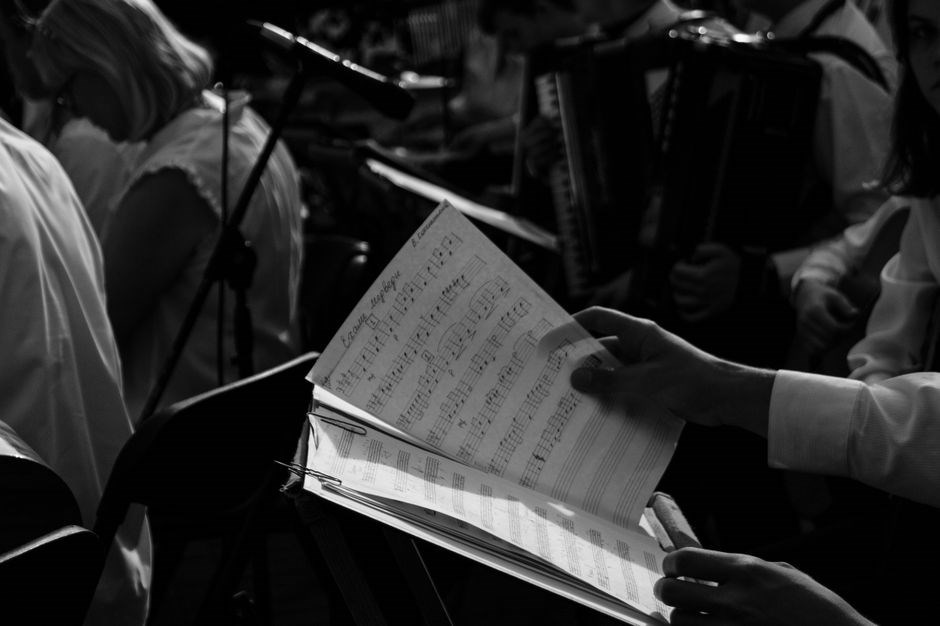
With PDF scores, conductors can cue sections, adjust tempos, rehearse harmonies. Musicians review parts digitally, annotate, and share edits, ensuring cohesive performances that honor the original score’s dramatic intensity.!
Preparing a Performance Program
When assembling a Sweeney Todd concert, the first step is to outline the musical journey. Begin by selecting key numbers that showcase the score’s dramatic peaks—such as “The Ballad of Sweeney Todd,” “The Dentist’s Song,” and the climactic “The Final Song.” Use the PDF score to verify orchestration, vocal ranges, and key signatures, ensuring each piece fits the ensemble’s strengths.
Next, craft detailed program notes that illuminate the narrative context, historical background, and musical motifs. Reference the PDF’s annotations to highlight leitmotifs, recurring themes, and harmonic shifts. Include brief composer insights and performance anecdotes to engage the audience.
Organize the parts by creating a master PDF that merges all individual scores into a single, printable document. This “program booklet” should feature the full score on the front, followed by vocal and instrumental parts, and a program synopsis. Use a PDF editor to embed hyperlinks to the original sheet music for quick reference during rehearsals.
Finally, decide on the distribution format. For a live audience, print high‑resolution copies with clear headings and page numbers. For digital concerts, upload the program as a downloadable PDF and embed it in the event’s web page. Ensure that the layout is consistent, fonts are legible, and the program is accessible to all attendees. Remember to rehearse transitions and cue sheets for seamless flow precise timing!!.
Tips for Digital Playback and Overdubbing
Digital playback of a Sweeney Todd score begins with a clean, high‑resolution PDF that contains all parts. Import the PDF into a notation program that supports MIDI export, such as Sibelius or Finale. Set the tempo markings from the score and use the software’s playback engine to listen for balance issues. When overdubbing, record each instrument separately in a DAW, aligning the tracks to the MIDI tempo grid. Use the PDF’s tempo markings to sync the recordings accurately. Apply EQ and compression to each track to mimic the acoustics of a theater hall, then mix them together, ensuring the vocal lines sit prominently. For rehearsal, overlay the playback with a click track and use the PDF’s page numbers to cue the next section. Finally, export the final mix as a high‑bit‑rate WAV file, then compress to MP3 for distribution. Always keep a backup of the original PDF and the DAW session files for future edits. When working with digital playback, use a high‑fidelity audio interface to preserve dynamics. Record each part in a dedicated session, labeling tracks clearly. During overdubbing, watch phase alignment; a slight time shift can cause comb filtering. Use a metronome to keep tempo consistent across layers. After mixing, apply a subtle reverb that emulates a pro‑theater space, then listen critically to catch any balance or timing issues. Finally, archive the session files in a folder hierarchy, naming each file with track name, date, and version number.