MLP Color Guide: A Comprehensive Overview (Updated 03/24/2026)
Today, March 24th, 2026, this guide details the official color palettes used within the My Little Pony: Friendship is Magic universe,
handling requests and reservations as documented by MLP Vector Club.
The MLP Color Guide serves as the definitive resource for accurately representing characters and elements from My Little Pony: Friendship is Magic. It’s a meticulously curated collection of official color palettes, ensuring visual consistency across various media – from the television show and comics to fan-created vector art and merchandise.
This guide isn’t simply a list of colors; it’s a system designed to maintain the established aesthetic of the series. It addresses the complexities of digital color representation, utilizing hex codes for precise matching. The MLP Vector Club actively manages requests and reservations for colors, preventing conflicts and ensuring each pony and character retains their unique visual identity.
Understanding and utilizing this guide is crucial for artists, animators, and fans dedicated to preserving the integrity of the My Little Pony visual style. It fosters a collaborative environment where everyone can contribute to a cohesive and recognizable universe.
What is the MLP Color Guide and Why is it Important?
The MLP Color Guide is a comprehensive, community-maintained database detailing the official color schemes for every character and significant element within the My Little Pony: Friendship is Magic franchise. Managed by resources like the MLP Vector Club, it’s far more than a simple color chart; it’s a vital tool for maintaining visual consistency.
Its importance stems from the need to avoid discrepancies across different artistic interpretations. Without a standardized guide, character colors can drift, leading to a fragmented and visually jarring experience. The guide ensures that Twilight Sparkle always looks like Twilight Sparkle, regardless of who is creating the artwork.
Furthermore, the guide facilitates collaboration among artists and protects the intellectual property of the series. The system of requests and reservations, handled by the Vector Club, prevents accidental duplication and ensures each color remains uniquely assigned.
History of the MLP Color Guide
The origins of the MLP Color Guide are rooted in the early days of the Friendship is Magic fandom’s explosion of vector art. As more artists began creating fan works, inconsistencies in character coloring became increasingly apparent. Early attempts at standardization were informal, relying on shared palettes and community consensus.
However, the need for a centralized, authoritative resource quickly became clear. The MLP Vector Club emerged as a key player, taking on the responsibility of compiling and maintaining a comprehensive color database. This involved painstakingly documenting official colors from the show, comics, and merchandise.
Over time, the guide evolved to include a robust system for handling color requests and reservations, preventing conflicts and ensuring uniqueness. Today, it stands as a testament to the dedication of the fandom and a crucial element in preserving the visual integrity of the My Little Pony universe.
Core Color Palettes
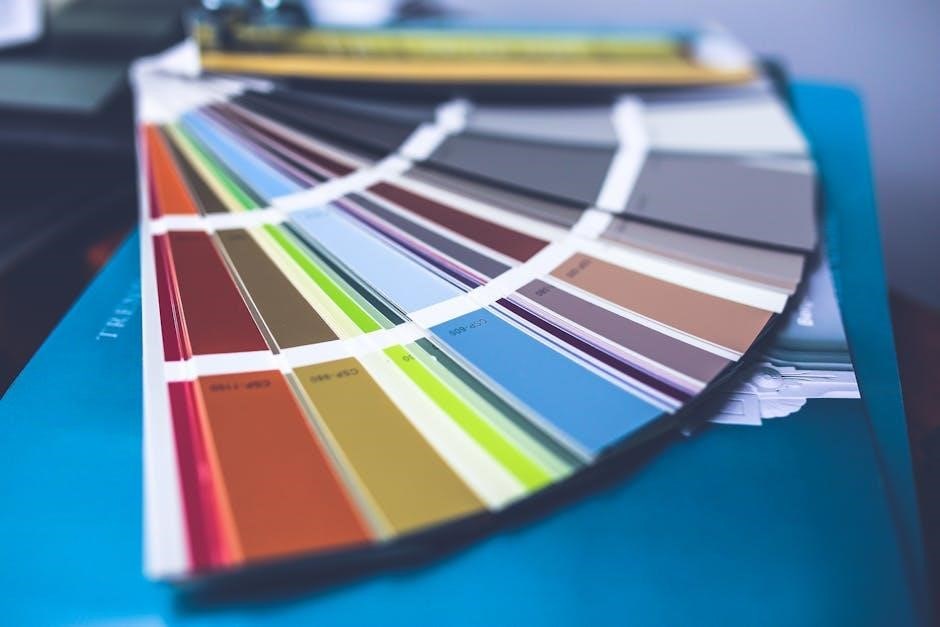
This section meticulously details the foundational color schemes of the main ponies, establishing a visual language for the entire My Little Pony world.
Main Six Ponies ⏤ Core Colors
The “Main Six” – Twilight Sparkle, Rainbow Dash, Pinkie Pie, Fluttershy, Rarity, and Applejack – possess distinctly defined core color palettes crucial to their character recognition. These aren’t simply chosen hues; they represent personality and thematic elements.
Twilight Sparkle’s initial palette centers around deep purples and blues, signifying her intelligence and magical affinity. Rainbow Dash explodes with vibrant rainbow shades, embodying her loyalty and adventurous spirit. Pinkie Pie’s palette is a riot of hot pinks and bright colors, reflecting her boundless energy and playful nature.
Fluttershy’s colors lean towards soft pastels – yellows, pinks, and lavender – mirroring her gentle and shy demeanor. Rarity’s palette features elegant purples, whites, and gem-toned accents, showcasing her sophisticated style and love for all things glamorous. Finally, Applejack’s earthy oranges and yellows represent her down-to-earth nature and strong connection to the land.
These core colors serve as the foundation for variations and shading, ensuring consistent character portrayal across all media.
Rainbow Dash’s Color Variations
Rainbow Dash’s color scheme, while seemingly straightforward, exhibits nuanced variations crucial for animation and artistic representation. Her core palette revolves around the full spectrum of rainbow colors – red, orange, yellow, green, blue, indigo, and violet – but their application isn’t uniform.
Shading and Highlights utilize lighter and darker tones of each color, creating depth and dimension. The intensity of each hue shifts depending on the lighting and emotional context. For example, brighter, more saturated colors often accompany energetic scenes, while muted tones reflect calmer moments.
Subtle gradients between colors are frequently employed, ensuring a smooth transition across her mane and tail. Official guidelines dictate specific hex codes for each color, maintaining consistency across different artists and platforms. Variations also appear in merchandise, sometimes slightly desaturated for production purposes.
Understanding these variations is vital for accurate depictions of Rainbow Dash, preserving her iconic look and dynamic personality.
Twilight Sparkle’s Color Scheme Evolution
Twilight Sparkle’s color palette undergoes a notable evolution throughout the series, reflecting her character development. Initially, her core colors – a deep indigo and a lighter lavender – represent her studious and somewhat reserved nature. These shades are consistently applied to her coat and mane, establishing a recognizable base.
As Twilight embraces friendship, subtle shifts occur. Her lavender highlights become more prominent, symbolizing her growing openness and warmth. The indigo deepens, representing her increasing magical power and confidence. Later seasons introduce variations in shading, particularly during alicorn transformations.
Official color guides meticulously document these changes, providing artists with precise hex codes for each stage of her evolution. Merchandise often simplifies the palette, but core colors remain consistent. Understanding this progression is key to accurately portraying Twilight’s journey.
These nuanced changes demonstrate the thoughtful design behind her character and the MLP color guide’s attention to detail.
Pinkie Pie’s Vibrant Palette
Pinkie Pie’s color scheme is arguably the most exuberant in the My Little Pony: Friendship is Magic universe, perfectly mirroring her personality. Her core palette revolves around a bright, almost neon pink (#F66D9B) for her coat, contrasted with a vivid magenta (#C74375) and sunshine yellow (#FFDA63) in her mane.
The MLP Color Guide emphasizes the importance of maintaining the intensity of these hues. Unlike some ponies with subtle variations, Pinkie Pie’s colors are consistently bold and saturated. This vibrancy extends to her cutie mark, featuring balloons in complementary shades.
Official documentation details specific hex codes for shading and highlights, ensuring consistency across different media. Fan artists often struggle to replicate the exact brightness, but the key is to avoid muted or pastel tones.
Pinkie Pie’s palette is a celebration of joy and energy, a cornerstone of the show’s visual identity.
Fluttershy’s Pastel Shades
Fluttershy’s color palette is defined by its delicate and soothing pastel tones, reflecting her gentle and shy nature. Her coat is a soft, pale yellow (#FAFAD2), almost cream-colored, providing a subtle base for her mane and tail.

The MLP Color Guide highlights the importance of maintaining the softness of these shades. Her mane and tail feature a blend of lavender (#D8BFD8) and a very pale pink (#F08080), creating a harmonious and calming effect. These colors are intentionally desaturated.
Official guidelines emphasize avoiding overly bright or saturated versions of these pastels, as it detracts from Fluttershy’s character. Subtle gradients and shading are used to add depth without compromising the overall softness.
Her cutie mark, featuring butterflies, utilizes similar pastel shades, reinforcing the theme of gentleness and tranquility. Consistency in these delicate hues is crucial for accurate representation.
Rarity’s Elegant Color Choices
Rarity’s color scheme embodies sophistication and glamour, reflecting her passion for fashion and beauty. Her coat is a pristine white (#FFFFFF), serving as a perfect canvas for her striking mane and tail.
The MLP Color Guide details her mane and tail as a deep, rich indigo (#4B0082) with subtle purple highlights (#8A2BE2). These shades are carefully chosen to convey a sense of luxury and refinement. Maintaining the depth of the indigo is key.
Official documentation stresses the importance of avoiding overly bright or neon purples, as they clash with Rarity’s elegant aesthetic. Shading should enhance the richness of the colors, not dilute them.
Her cutie mark, featuring three diamonds, utilizes a sparkling, light blue (#ADD8E6) to complement her overall palette. Accurate color matching ensures a consistent and polished appearance across all media.
Supporting Character Color Palettes
Beyond the Mane Six, a diverse cast boasts unique color schemes, meticulously documented within the MLP Color Guide for consistency and character identity.
Applejack and Family Colors
Applejack’s palette centers around warm, earthy tones, reflecting her honest and down-to-earth personality. Her coat is a consistent shade of golden-orange, complemented by a rich, reddish-brown mane and tail. The MLP Color Guide meticulously details these hues, ensuring accurate representation across all media.
Big McIntosh and Granny Smith share similar, though subtly different, color schemes. Big McIntosh’s colors are slightly muted compared to Applejack’s, emphasizing his quiet strength. Granny Smith utilizes a paler, more weathered orange for her coat, and a softer brown for her mane, reflecting her age and wisdom.
The guide also addresses variations within the family, such as Apple Bloom’s slightly brighter orange coat, indicating her youthful energy. Precise hex codes are provided for each family member’s individual shades, facilitating accurate color matching for artists and designers. Maintaining consistency within the Apple family’s palette is crucial for visual cohesion.
Spike’s Coloration and Significance
Spike’s coloration is unique amongst the main characters, featuring a vibrant purple hue that distinguishes him as a dragon. The MLP Color Guide specifies a particular shade of lavender-purple for his scales, carefully chosen to convey his energetic and loyal nature. This purple isn’t simply arbitrary; it visually separates him from the pony cast.

His belly scales are a lighter, creamier shade of purple, providing contrast and depth to his design. The guide details the subtle gradients within his scales, ensuring accurate depictions in artwork and animation. Maintaining this color consistency is vital for instantly recognizable character portrayal.
The significance of Spike’s purple coloration extends beyond aesthetics. It subtly hints at his magical abilities and dragon heritage. The Color Guide acknowledges this symbolic importance, emphasizing the need for precise color matching to preserve the character’s intended meaning and visual impact.
Princess Luna and Celestia ‒ Royal Colors
Princess Celestia and Luna’s color schemes are intrinsically linked to their royal status and elemental domains. The MLP Color Guide meticulously defines their palettes, emphasizing the regal and majestic qualities they represent. Celestia’s warm, golden hues symbolize the sun and her benevolent rule, utilizing shades of pale yellow and apricot.
Luna, conversely, embodies the night with cool, deep blues and purples. The guide specifies a range of indigo and midnight blue tones for her coat, reflecting the mystery and tranquility of the moon. Subtle silver accents highlight her mane and tail, mimicking starlight.
Maintaining consistency in these royal colors is paramount. The Color Guide stresses the importance of accurate hex codes to ensure both princesses are instantly recognizable and their symbolic representations remain intact across all media. Deviations can diminish their perceived authority and connection to their elements.
Discord’s Chaotic Color Scheme
Discord’s coloration is deliberately unconventional, reflecting his chaotic nature and embodiment of disharmony. The MLP Color Guide acknowledges the unique challenges in defining his palette, as it intentionally defies traditional color theory. He’s a vibrant clash of seemingly random hues, primarily focusing on greens, purples, and reds.
Unlike the carefully curated palettes of other characters, Discord’s allows for greater flexibility. However, the guide emphasizes maintaining a sense of controlled chaos; the colors should be jarring yet visually appealing, avoiding muddy or unpleasant combinations. His scales exhibit a shifting, iridescent quality;
Accurate representation of Discord’s colors requires careful attention to gradients and shading. The guide provides specific hex codes for his core tones, but encourages artists to experiment within those boundaries to capture his unpredictable essence. Consistency lies in the feeling of chaos, not strict adherence.
Color Guide Details & Nuances
This section delves into the intricacies of the MLP Color Guide, exploring hex codes, reservation systems, official versus fan creations, and consistency across various media platforms.
Understanding Hex Codes in the MLP Color Guide
Hex codes are fundamental to accurately representing colors within the My Little Pony: Friendship is Magic universe. These six-digit alphanumeric codes, preceded by a hashtag (#), define specific shades using a base-16 (hexadecimal) numbering system. Each pair of digits represents the intensity of red, green, and blue (RGB) – a crucial element for digital art and vectoring;
The MLP Color Guide relies heavily on standardized hex codes to ensure consistency across all official artwork, merchandise, and animations. Utilizing these codes guarantees that characters maintain their intended appearances, avoiding unintentional variations. For example, Applejack’s signature orange isn’t just “orange”; it’s a precise hex code like #F2A649.
Understanding how to interpret and utilize these codes is essential for artists contributing to the fandom. Tools and resources are available online to convert between hex codes and RGB values, facilitating seamless color matching. Accurate hex code usage is paramount for maintaining the visual integrity of the My Little Pony aesthetic.
Color Reservations and How They Work
Color reservations are a vital component of the My Little Pony: Friendship is Magic Color Guide, managed primarily by the MLP Vector Club. This system prevents color clashes and ensures unique visual identities for original characters (OCs) created by the fandom. Essentially, artists can “reserve” specific hex codes to guarantee exclusive use for their creations.
The reservation process typically involves submitting a request detailing the desired hex code and a description of the character it will be used for. Administrators then verify the code’s availability and, if clear, grant the reservation. Reservations usually have a time limit, requiring renewal to maintain exclusivity.
This system fosters creativity while maintaining order within the vast MLP art community. It avoids accidental duplication of color schemes and helps establish a recognizable visual language. Detailed guidelines and procedures for reservations are readily available on the MLP Vector Club website, ensuring transparency and fairness for all participants.
Official vs. Fan-Created Colors
The MLP Color Guide distinguishes between colors officially established by the show’s production team and those created by the fan community. Official colors are meticulously documented, representing the precise shades used for core characters and backgrounds within My Little Pony: Friendship is Magic. These are considered the definitive standards for accurate representation.
Fan-created colors, while encouraged for originality in OCs, must adhere to certain guidelines to avoid conflicts with existing official palettes. These guidelines, managed by resources like the MLP Vector Club, ensure that new colors complement the established aesthetic without causing visual dissonance.
The distinction is crucial for maintaining consistency when creating artwork that blends official and fan-made elements. Utilizing official colors for established characters demonstrates respect for the source material, while fan colors allow for creative expression within a structured framework. Both contribute to the richness and vibrancy of the MLP art scene.
Color Consistency Across Media (Show, Comics, Merchandise)
Maintaining consistent coloration across various My Little Pony media – the television show, comics, and merchandise – presents a significant challenge. While the production team strives for accuracy, subtle variations inevitably occur due to differing animation styles, printing processes, and manufacturing limitations.
The MLP Color Guide serves as a central reference point to minimize these discrepancies. However, slight shifts in hue or saturation can be observed when comparing a character’s appearance in the show versus a physical toy. Comic book coloring often introduces its own artistic interpretations, further contributing to these differences.
Understanding these nuances is key for both artists and collectors. The guide prioritizes the show’s color schemes as the primary standard, acknowledging that adaptations in other formats may not always be perfectly identical. Accepting these variations fosters a more realistic expectation of color representation.

Advanced Color Guide Usage
This section explores utilizing the MLP Color Guide for complex projects like vector art, troubleshooting matching issues, and accessing helpful resources and tools for optimal results.
Using the Color Guide for Vector Art
Creating accurate vector art of My Little Pony characters hinges on precise color application. The MLP Color Guide serves as an invaluable resource, ensuring consistency and fidelity to the established aesthetic. When beginning a vector project, always reference the official hex codes provided within the guide for each pony’s core colors and variations.
Avoid relying on visual approximations; instead, directly input the hex codes into your vector software (Adobe Illustrator, Inkscape, etc.). This eliminates subjective color choices and guarantees a professional, polished look. Pay close attention to subtle gradients and shading within the guide, replicating these nuances to achieve depth and realism.
Furthermore, be mindful of color reservations. If a specific shade is reserved for a particular character or element, respect that designation to maintain the integrity of the overall color scheme. Utilizing the guide effectively not only enhances the visual quality of your artwork but also demonstrates respect for the established canon and community standards.
Color Guide Resources and Tools
Several online resources streamline access to the MLP Color Guide. The primary hub remains the MLP Vector Club (mlpvector.club/cg/pony/full), offering a comprehensive, searchable database of pony colors and reservation statuses. This site is crucial for handling requests and managing color allocations within the community.
Beyond the main site, numerous fan-created tools and palettes are available for popular vector programs like Adobe Illustrator and Inkscape. These often pre-load the official hex codes, simplifying the coloring process. Websites dedicated to My Little Pony art frequently compile lists of useful resources and tutorials.
For quick color identification, browser extensions can display hex codes directly from images. Remember to cross-reference any third-party tools with the official MLP Vector Club guide to ensure accuracy and adherence to established standards. Staying updated with the latest revisions is also vital.
Troubleshooting Color Matching Issues
Discrepancies in color appearance can arise from several factors. Monitor calibration is a frequent culprit; ensure your display accurately represents colors. Different software programs may interpret hex codes slightly differently, leading to minor variations. Always compare your work against official references from the MLP Vector Club.
When encountering inconsistencies, double-check the hex code for typos or accidental modifications. Consider the lighting conditions in the artwork; shadows and highlights can alter perceived color. If using fan-created palettes, verify their accuracy against the official guide, as errors can occur.
For persistent issues, consult the MLP Vector Club forums or community groups for assistance. Experienced artists can often identify and resolve subtle color matching problems. Remember that slight variations are sometimes acceptable, but maintaining overall consistency is key.
Future of the MLP Color Guide
The MLP Color Guide’s evolution is ongoing, driven by community contributions and the potential for expanded media. As new My Little Pony content emerges, the guide will adapt to incorporate any newly established color palettes or variations. The MLP Vector Club remains central to managing updates and addressing user requests.
Potential future developments include a more interactive online tool for color selection and comparison, and improved documentation of color reservations. Integration with popular vector art software could streamline the workflow for artists. A focus on accessibility, ensuring colorblind-friendly palettes, is also a consideration.
Continued community involvement is vital for the guide’s success. Reporting discrepancies, suggesting improvements, and contributing new color data will help maintain its accuracy and relevance for years to come.