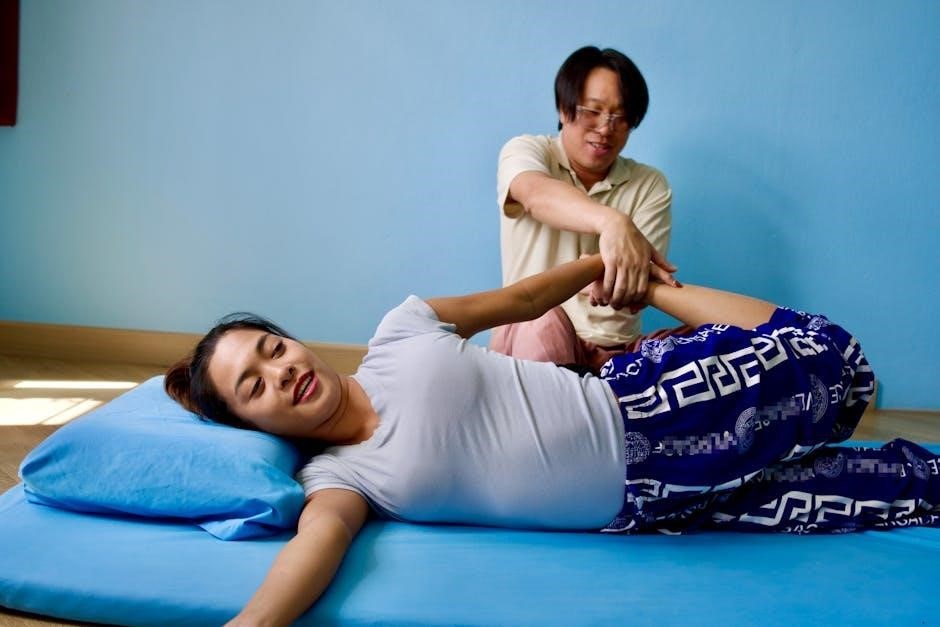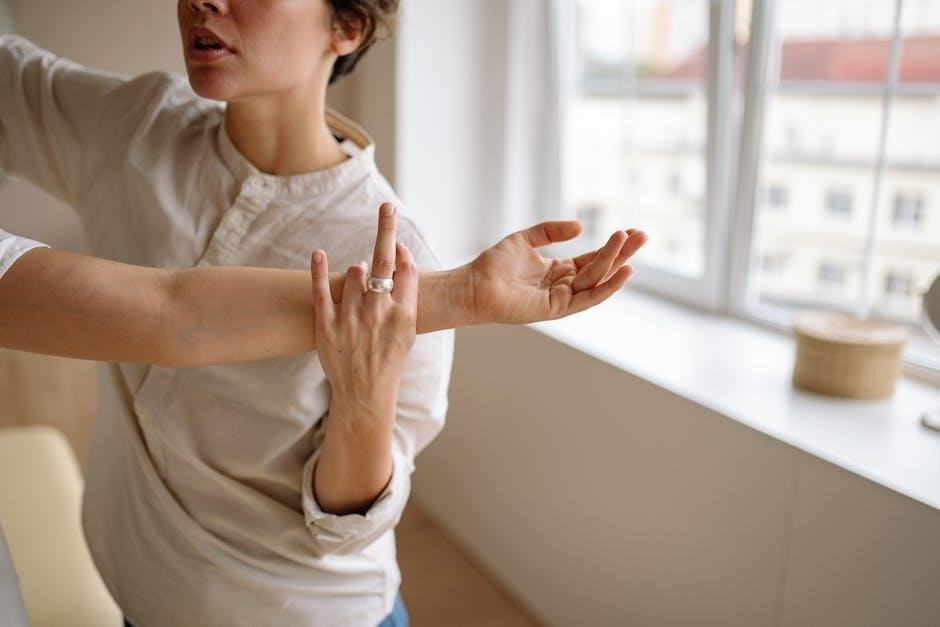
Manual stretching enhances mobility, reduces injury risk, and improves posture through targeted exercises focusing on muscle structure and technique.
Regularly incorporating flexibility routines offers substantial benefits, as demonstrated by research highlighting its positive impact on overall physical well-being.
What is Manual Stretching?
Manual stretching involves the deliberate lengthening of muscles to improve elasticity and range of motion. Unlike ballistic stretching with bouncing, it emphasizes controlled movements and sustained holds. This practice isn’t merely about touching your toes; it’s a focused technique utilizing various methods – static, dynamic, or PNF – to achieve optimal flexibility.
Effectively, manual stretching targets muscle fibers, enhancing their ability to extend. It’s a cornerstone of injury prevention, preparing the body for physical activity and aiding recovery afterward. The process adjusts intensity, weight, or hold time, tailoring the experience to individual needs. It’s a practical approach, illustrated through exercises, concentrating on the technical aspects of stretching and muscle structure.
The History of Stretching Techniques
Stretching’s roots trace back to ancient practices – Eastern traditions like yoga and Chinese medicine incorporated stretching for centuries, emphasizing the connection between mind and body. However, its formalization within Western fitness emerged later, gaining traction in the 20th century with the rise of physical therapy and sports science.
Early research, like Shrier’s 1999 critical review, challenged conventional wisdom about stretching before exercise, questioning its impact on injury prevention. Despite this, the understanding of flexibility’s benefits continued to evolve. Modern approaches now integrate diverse techniques, acknowledging the importance of individualized routines and mindful movement. The evolution reflects a shift from generalized routines to personalized plans, prioritizing safety and effectiveness.
Benefits of Incorporating Manual Stretching
Regular stretching delivers a multitude of advantages beyond simply increasing flexibility. It demonstrably improves range of motion, crucial for everyday activities and athletic performance. Reduced injury risk is a key benefit, as pliable muscles are less susceptible to strains and tears. Stretching also positively impacts posture, alleviating muscle imbalances and promoting proper alignment.
Furthermore, incorporating stretching into a routine can boost energy levels and reduce muscle soreness post-exercise. It even aids in stress reduction, promoting relaxation and mental well-being. The practical text emphasizes these benefits, highlighting how stretching enhances overall physical health and quality of life.

Types of Manual Stretching
Manual stretching encompasses static, dynamic, ballistic, and PNF techniques, each differing in intensity, weight application, or hold duration to achieve flexibility.
Static Stretching: Holding the Stretch
Static stretching involves slowly extending a muscle to its furthest point and holding that position for a sustained period, typically between 15 to 30 seconds. This method focuses on increasing flexibility by gradually lengthening muscle fibers and improving range of motion. It’s often performed after a workout when muscles are warm, but can also be incorporated into cool-down routines.
The key to effective static stretching is to avoid bouncing or jerking movements, as this can trigger the stretch reflex and potentially lead to injury. Instead, maintain a consistent, comfortable stretch, breathing deeply throughout the process. This technique is widely accessible and requires no specialized equipment, making it a foundational element of many stretching programs. It’s a safe and effective way to improve overall flexibility and reduce muscle tension.
Dynamic Stretching: Movement-Based Stretching
Dynamic stretching utilizes controlled, fluid movements to prepare muscles for activity. Unlike static stretching, it doesn’t involve holding a position; instead, it focuses on taking joints and muscles through their full range of motion. Examples include arm circles, leg swings, and torso twists. This type of stretching is particularly beneficial as a warm-up before exercise, as it increases blood flow, improves muscle elasticity, and enhances neuromuscular activation.
Dynamic stretches mimic the movements of the activity to follow, preparing the body for the specific demands it will face. It’s crucial to perform these movements with control and focus, avoiding any jerky or ballistic actions. This method improves performance and reduces the risk of injury by actively engaging muscles and increasing flexibility in a functional way.
Ballistic Stretching: Bouncing Movements (and Risks)
Ballistic stretching involves bouncing or jerky movements to force a muscle beyond its normal range of motion. While historically used, it’s now largely discouraged due to a significantly increased risk of injury. The rapid, uncontrolled movements can trigger the stretch reflex, causing muscles to contract against the stretch, potentially leading to strains or tears.
This technique doesn’t allow the muscles to adapt and lengthen gradually, making it unsuitable for most individuals. It was once believed to improve flexibility, but current research suggests the risks outweigh the benefits. Safer and more effective methods, like dynamic and PNF stretching, are preferred for enhancing flexibility and range of motion without compromising muscle safety. Caution is paramount when considering this approach.
Proprioceptive Neuromuscular Facilitation (PNF) Stretching
Proprioceptive Neuromuscular Facilitation (PNF) stretching is a more advanced technique involving contracting and relaxing muscles to achieve greater flexibility. It typically requires a partner, although self-PNF methods exist. The process often involves a static stretch followed by an isometric contraction of the stretched muscle against resistance.
This contraction is held for several seconds, then relaxed, allowing for a deeper stretch. PNF leverages the body’s natural reflexes to inhibit muscle tension and increase range of motion. It’s highly effective but demands proper technique to avoid injury. Different PNF variations, like hold-relax and contract-relax, exist, each offering unique benefits for targeted muscle groups and flexibility gains.
Anatomy & Physiology of Stretching
Stretching impacts muscle fibers, elasticity, and the nervous system, influencing range of motion. Connective tissues play a crucial role in flexibility and movement.
Understanding Muscle Fibers and Elasticity
Muscle fibers, the building blocks of our musculoskeletal system, possess inherent elasticity, allowing for both contraction and extension. This elasticity isn’t uniform; different muscle fiber types – slow-twitch and fast-twitch – exhibit varying degrees of flexibility. Stretching directly influences these fibers, increasing their length and reducing stiffness over time.
The ability of a muscle to stretch is also determined by its connective tissues, like fascia, which surrounds and interpenetrates muscle fibers. Regular stretching promotes hydration within these tissues, enhancing their pliability. Understanding this interplay between muscle fibers and connective tissue is fundamental to maximizing the benefits of manual stretching and achieving optimal range of motion. It’s a dynamic process, not simply about ‘loosening’ muscles, but about improving the overall tissue quality.
The Role of the Nervous System in Flexibility
Flexibility isn’t solely a physical property of muscles; the nervous system plays a crucial, often underestimated, role. Our brains possess a ‘stretch reflex’ – a protective mechanism that causes muscles to contract when stretched rapidly or beyond a certain point. Manual stretching techniques aim to gradually override this reflex, signaling the nervous system it’s safe to allow greater range of motion.
Proprioceptors, sensory receptors within muscles and tendons, provide feedback to the brain about body position and movement. Stretching stimulates these receptors, improving body awareness and neuromuscular control. Consistent stretching ‘re-trains’ the nervous system, reducing muscle tension and enhancing flexibility. This neurological adaptation is key to long-term improvements, making stretching a mind-body practice.
Connective Tissue and its Impact on Range of Motion
Connective tissues – including fascia, ligaments, and tendons – significantly influence flexibility, often more than muscle length alone. Fascia, a web-like structure surrounding muscles, can restrict movement if it becomes tight or adhered. Manual stretching techniques, particularly myofascial release, aim to address these restrictions, restoring optimal tissue length and glide.
Ligaments connect bones, providing joint stability, but limited ligament elasticity can restrict range of motion. Tendons connect muscles to bones; their flexibility also impacts overall movement; Consistent stretching encourages hydration and remodeling of connective tissues, increasing their pliability and allowing for greater joint mobility. Ignoring these tissues limits stretching effectiveness.
Manual Stretching Techniques for Different Muscle Groups
Targeted stretching is crucial for optimal results; techniques vary based on muscle groups, requiring specific approaches for lower and upper body flexibility gains.
Lower Body Stretching
Lower body stretching is fundamental for athletes and individuals seeking improved mobility and reduced injury risk. Focusing on key muscle groups like hamstrings, quadriceps, and calves is essential.
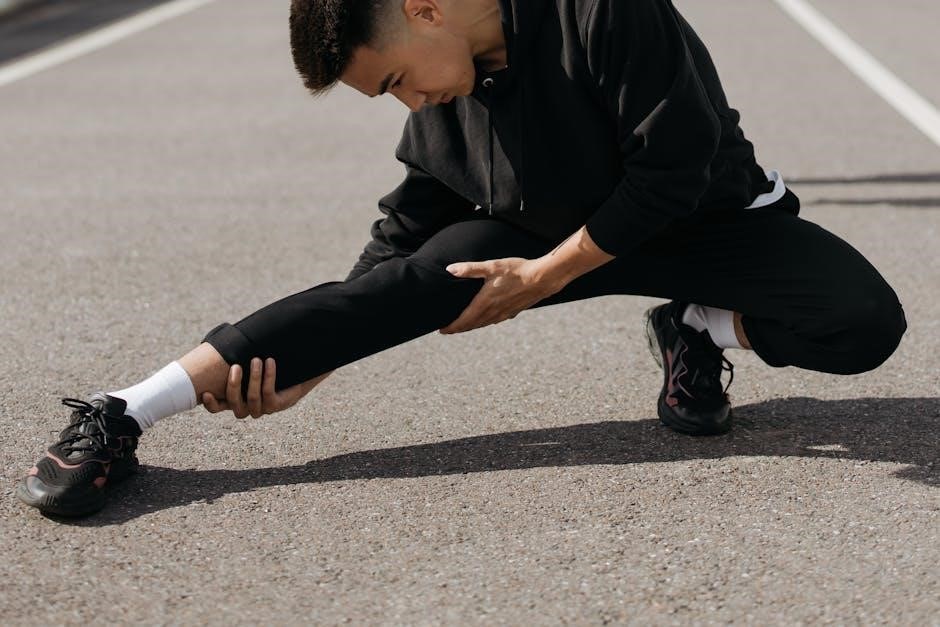
Hamstring stretches, often performed seated or standing, target the muscles at the back of the thigh, increasing flexibility and range of motion. Quadriceps stretches, typically done standing while pulling the heel towards the glutes, address the muscles at the front of the thigh.
Calf stretches, leaning against a wall with one leg extended back, improve ankle flexibility and prevent lower leg tightness. Consistent practice of these stretches enhances performance and supports overall lower body health, contributing to better posture and movement patterns.
Hamstring Stretches
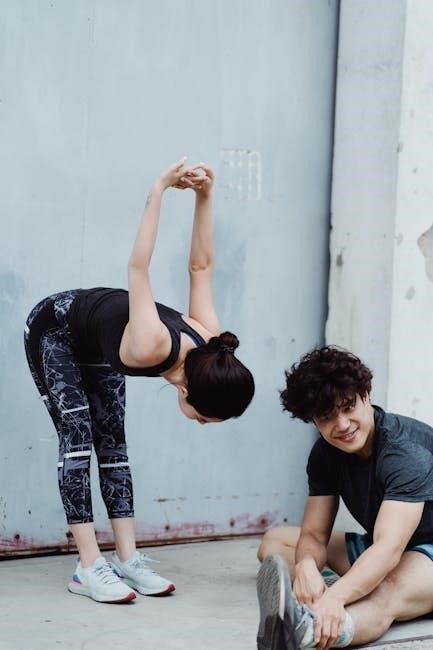
Hamstring stretches are crucial for improving lower body flexibility and preventing injuries. Several techniques exist, including seated hamstring stretches where you reach towards your toes with a straight back. Standing hamstring stretches involve gently bending forward, keeping legs relatively straight, and feeling the stretch in the back of the thighs.
Another effective method is the towel hamstring stretch, using a towel looped around the foot to assist in pulling the leg towards the body. Proper form is vital; avoid bouncing and maintain a controlled, steady stretch.
Regular hamstring stretching enhances range of motion, supports athletic performance, and alleviates lower back pain often linked to tight hamstrings.
Quadriceps Stretches
Quadriceps stretches are essential for maintaining knee joint health and overall leg flexibility. A common technique is the standing quadriceps stretch, where you hold your foot towards your glutes, keeping your knees close together and maintaining balance. Another effective stretch involves lying prone and pulling your heel towards your buttocks.
Focus on feeling the stretch in the front of the thigh, avoiding any sharp pain; Gentle assistance from a partner can deepen the stretch, but always communicate comfort levels.
Consistent quadriceps stretching improves athletic performance, reduces the risk of knee injuries, and enhances lower body mobility.
Calf Stretches
Calf stretches are crucial for ankle mobility and preventing lower leg injuries, particularly for runners and athletes. A classic stretch involves leaning against a wall with one leg extended back, heel firmly planted on the ground, and a slight bend in the front knee.
Variations include bent-knee and straight-knee calf stretches to target both the gastrocnemius and soleus muscles. Hold each stretch for 20-30 seconds, feeling a gentle pull in the calf muscle.
Regular calf stretching improves flexibility, reduces Achilles tendon strain, and enhances overall lower body performance.
Upper Body Stretching
Upper body stretching is vital for maintaining posture, relieving tension, and improving range of motion in the shoulders, arms, and chest. Neglecting these areas can lead to imbalances and discomfort.
Effective stretches include shoulder rolls, triceps stretches (reaching one arm overhead and bending at the elbow), and chest stretches (clasping hands behind the back and gently lifting).
Focus on controlled movements and deep breathing to maximize benefits. Incorporating upper body stretches into your routine can counteract the effects of prolonged sitting and repetitive movements, promoting overall well-being.
Shoulder Stretches
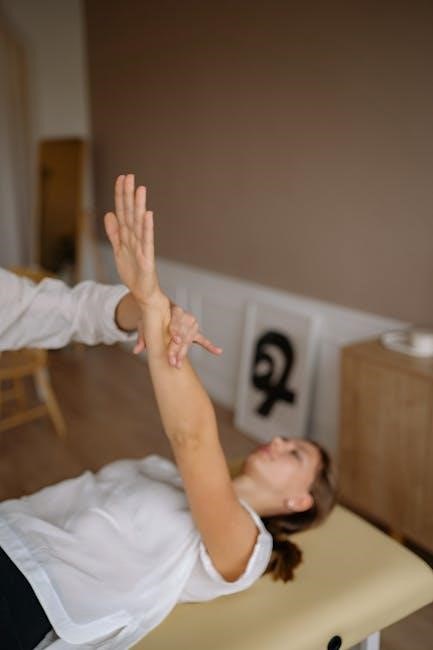
Shoulder stretches are crucial for alleviating tension, improving posture, and enhancing upper body mobility. Tight shoulders can contribute to neck pain and headaches, making regular stretching essential.
Effective techniques include cross-body shoulder stretches (pulling one arm across the chest), overhead triceps stretches that also target the shoulders, and doorway chest stretches which indirectly open the shoulder joint.
Remember to maintain controlled movements and focus on deep, diaphragmatic breathing throughout each stretch. Consistent shoulder stretching promotes flexibility and prevents injuries, supporting optimal physical function.
Triceps Stretches
Triceps stretches are vital for maintaining arm flexibility and preventing elbow and shoulder discomfort. Tight triceps can restrict range of motion and impact performance in various activities.
A common and effective technique involves reaching one arm overhead and bending at the elbow, then gently pulling the elbow towards the opposite side with the other hand. Another variation includes using a wall or stable object for support.
Focus on feeling a gentle stretch along the back of the upper arm, avoiding any sharp pain. Consistent triceps stretching improves muscle elasticity and supports overall arm health.
Chest Stretches
Chest stretches counteract the effects of prolonged sitting and rounded shoulders, improving posture and breathing capacity. Tight pectoral muscles can contribute to neck pain and limited shoulder mobility.
A simple yet effective stretch involves clasping hands behind the back and gently lifting the arms, opening up the chest. Alternatively, standing in a doorway and placing forearms on the frame, then leaning forward, provides a deeper stretch.
Remember to maintain a relaxed posture and avoid overextending. Regular chest stretching promotes better alignment and supports optimal upper body function, enhancing overall well-being.
Stretching for Injury Prevention
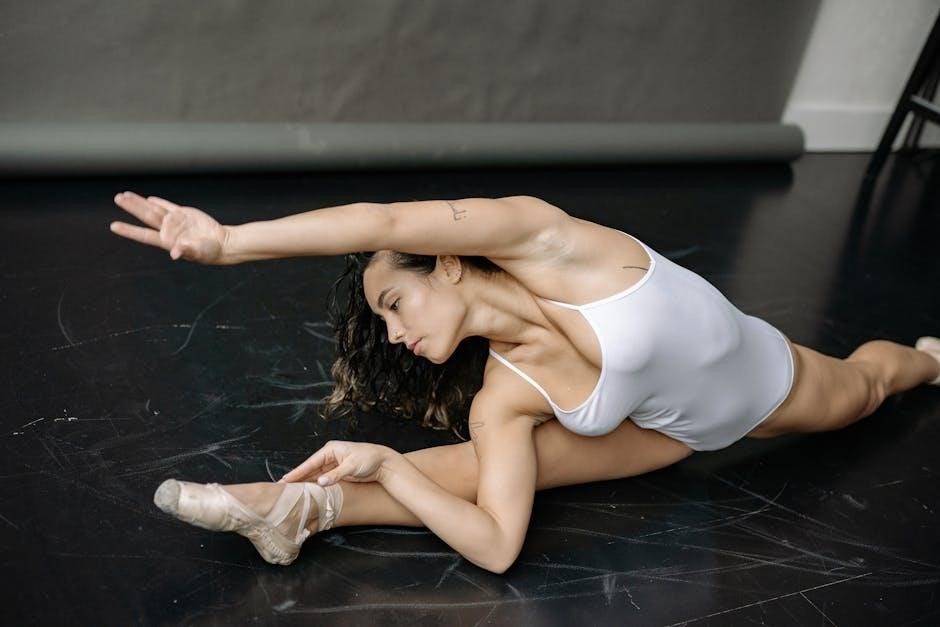
Proper stretching, including warm-up and cool-down routines, significantly reduces injury risk by improving muscle elasticity and range of motion.
Warming Up Before Stretching
Prior to initiating any manual stretching routine, a thorough warm-up is absolutely crucial. This prepares your muscles for the increased demands of stretching, minimizing the risk of potential injury. A dynamic warm-up, involving controlled movements that mimic the stretches you’ll be performing, is highly recommended.
Examples include arm circles, leg swings, and torso twists. These movements elevate muscle temperature, increase blood flow, and enhance muscle elasticity. Avoid static stretching – holding a stretch for an extended period – before exercise, as it can temporarily reduce muscle power. A five to ten-minute warm-up significantly improves the effectiveness and safety of your stretching session, optimizing flexibility gains and protecting your body.
Cooling Down with Stretching
Following a workout or strenuous activity, incorporating a cool-down period with stretching is essential for recovery and injury prevention. Cooling down allows your heart rate and breathing to gradually return to normal, preventing dizziness or lightheadedness. Static stretching – holding each stretch for 20-30 seconds – is particularly beneficial during this phase.
Focus on the muscle groups worked during your exercise session. Stretching post-exercise helps to reduce muscle soreness, improve flexibility, and restore muscles to their optimal length. This practice aids in removing metabolic waste products and promotes relaxation. A proper cool-down enhances long-term flexibility gains and supports overall muscle health.
Stretching and Common Sports Injuries
Consistent stretching plays a crucial role in mitigating the risk of common sports injuries, such as hamstring strains, groin pulls, and shin splints. While stretching before exercise doesn’t necessarily prevent injury, a well-rounded stretching routine, including both static and dynamic stretches, improves muscle elasticity and range of motion.
Enhanced flexibility allows muscles to absorb impact more effectively, reducing strain on joints and ligaments. Addressing muscle imbalances through targeted stretching can also prevent overuse injuries. Remember, stretching is most effective when combined with proper warm-up, technique, and conditioning. Ignoring flexibility can contribute to increased injury susceptibility.
Advanced Stretching Concepts
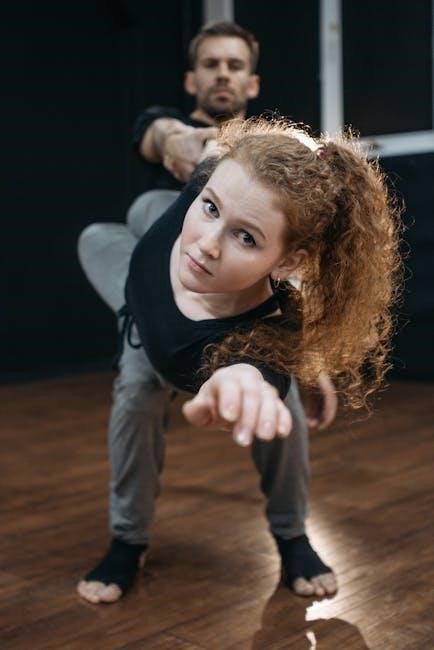
Exploring myofascial release, mindful breathing, and progressive overload elevates stretching, optimizing flexibility gains and enhancing the body’s natural movement patterns.
Myofascial Release and Stretching
Myofascial release is a powerful technique often integrated with manual stretching to address restrictions within the fascia – the connective tissue network surrounding muscles. This approach targets areas where tightness or adhesions limit range of motion, going beyond simply lengthening the muscle itself.
Techniques like foam rolling or using massage balls apply sustained pressure to these areas, helping to release tension and restore optimal tissue length. Combining myofascial release before stretching can significantly enhance flexibility gains, allowing for deeper and more effective stretches. It prepares the tissues, making them more receptive to lengthening and improving overall movement quality.
Essentially, releasing the fascia allows the muscles to stretch more fully, leading to improved posture, reduced pain, and enhanced athletic performance.
The Importance of Breathing During Stretching
Conscious breathing is absolutely crucial when performing manual stretching exercises. It’s not merely about inhaling and exhaling; it’s about coordinating breath with movement to maximize the stretch and promote relaxation.
Typically, exhaling during the stretch allows for a deeper release as it signals the nervous system to relax muscles. Inhaling before the stretch prepares the body, and holding your breath should be strictly avoided, as it creates tension.
Deep, diaphragmatic breathing increases oxygen flow to the muscles, enhancing their elasticity and reducing the risk of injury. Focusing on breath also promotes mindfulness, allowing you to better gauge your body’s limits and avoid overstretching.
Progressive Overload in Stretching
Progressive overload, a principle well-established in strength training, is equally vital for improving flexibility through manual stretching. It involves gradually increasing the intensity or duration of your stretches over time to continually challenge your muscles and connective tissues.
This doesn’t necessarily mean forcing a deeper stretch immediately; instead, focus on small, incremental improvements. You can achieve this by slightly increasing the hold time, range of motion, or frequency of stretching sessions.
Consistent, gradual progression prevents plateaus and minimizes the risk of injury. Listen to your body and avoid pushing beyond a comfortable range, ensuring sustainable gains in flexibility.
Common Mistakes to Avoid When Stretching
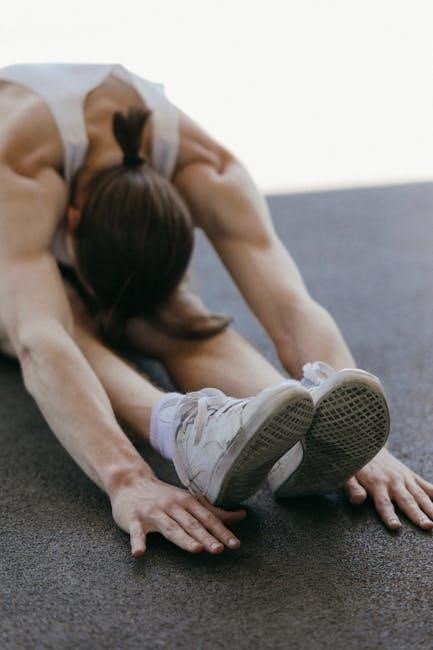
Avoid bouncing during static stretches, holding your breath, or stretching cold muscles – these habits can increase injury risk and hinder flexibility gains.
Bouncing During Static Stretches
Bouncing, also known as ballistic stretching, is a common error during static stretching routines. While it might seem like a way to deepen the stretch quickly, it’s generally discouraged due to the increased risk of muscle injury. This is because bouncing activates the stretch reflex, causing the muscle to contract against the stretch, rather than relax into it.
Static stretching aims to lengthen the muscle fibers gradually and hold the position, allowing for a controlled and safe increase in flexibility. Bouncing disrupts this process, potentially leading to micro-tears in the muscle fibers and surrounding tissues. Instead, focus on slow, controlled movements and hold each stretch for an appropriate duration – typically 15 to 30 seconds – to achieve optimal results without compromising safety.
Holding Your Breath
Holding your breath during stretching is a frequently overlooked, yet significant, mistake that can hinder progress and even cause harm. When you restrict your breathing, you increase muscle tension and reduce blood flow to the stretched muscles. This counteracts the very purpose of stretching – to relax and lengthen the muscle fibers.
Consistent, deep breathing facilitates relaxation, allowing for a greater range of motion and a more effective stretch. Exhale as you move deeper into the stretch, and inhale to maintain a comfortable position. Proper breathing also helps regulate blood pressure and prevents dizziness. Remember to breathe naturally and rhythmically throughout your stretching routine for optimal benefits and safety.
Stretching Cold Muscles
Stretching cold muscles significantly elevates the risk of injury, making it a common and detrimental mistake. Muscles and connective tissues become more pliable with increased temperature and blood flow. Attempting to stretch a cold muscle is akin to stretching a rubber band that hasn’t been warmed up – it’s far more likely to snap or tear.
Always precede stretching with a proper warm-up, such as light cardio or dynamic movements, to increase muscle temperature and prepare them for the demands of stretching. A warm-up enhances flexibility and reduces the likelihood of strains or sprains. Prioritize preparation before attempting any stretching routine for optimal safety and effectiveness.

Integrating Stretching into a Fitness Routine
Personalized stretching plans, consistent frequency, and mindful listening to your body are key to safely and effectively incorporating stretching into your workouts.
Creating a Personalized Stretching Plan
Developing a tailored stretching routine requires careful consideration of individual needs and fitness goals. Begin by assessing your current flexibility levels and identifying areas of tightness or limitation. A plan should incorporate a variety of stretches targeting major muscle groups, considering both upper and lower body requirements.
Prioritize stretches that address specific imbalances or weaknesses identified through assessment. Gradually increase the intensity and duration of stretches over time, avoiding pushing beyond a comfortable range of motion. Remember to include both static and dynamic stretches, adapting the routine based on your workout schedule and activity levels. Consistency is paramount; aim for regular stretching sessions to maintain and improve flexibility.
Frequency and Duration of Stretching Sessions
Optimal stretching frequency depends on individual goals and activity levels, but generally, 2-3 sessions per week is a beneficial starting point. For athletes or those engaged in intense physical activity, daily stretching may be more appropriate. Session duration can vary from 10-15 minutes for a basic routine to 30 minutes or more for a comprehensive program.
Each stretch should be held for 15-30 seconds, allowing muscles to gradually lengthen. Dynamic stretches require multiple repetitions, focusing on controlled movements. Consistency is key; shorter, frequent sessions are often more effective than infrequent, lengthy ones. Listen to your body and adjust the frequency and duration based on your response and recovery.
Listening to Your Body and Avoiding Pain
Prioritizing bodily signals is paramount during manual stretching. A gentle pull or mild tension is desirable, but sharp or intense pain indicates you’ve reached your limit – immediately ease off. Stretching should never exacerbate existing injuries or create new ones. Respect your body’s current flexibility level and avoid pushing beyond it.
Progress gradually, increasing the intensity and range of motion over time. Discomfort is acceptable, but pain is a warning sign. Pay attention to how your muscles feel both during and after stretching. If soreness persists for more than 24-48 hours, reduce intensity or frequency.